Given the current landscape of contemporary cinema, the chance to revisit certain experiences from the past can help us discover or rediscover expressive possibilities we might consider lost or ill-suited to our times, but that may, in fact, simply be dormant. The recent release of the Blu-ray box set of Philippe Garrel’s experimental films with Nico, titled Le Coffret Nico and published by Re:Voir, offers an excellent opportunity to reflect on exactly that.
This edition is the result of work carried out by the French label together with Garrel himself. Among the films included, the best known is undoubtedly a “classic” of the French filmmaker’s work, namely Inner Scar (La cicatrice intérieure, 1970). All the other titles were restored in 2025: the features Le berceau de cristal (1975) and Un ange passe (1975); the shorts Athanor (1972) and Le bleu des origines (1977). Rounding out the set, as a bonus, is a brief excerpt from Les hautes solitudes (1974), a fragment featuring Nico.
In Intimacy
Nico, born Christa Päffgen in 1938 and deceased in 1988, was a multifaceted artist—primarily a singer, songwriter, actress, and poet. In Italy, her reputation is largely linked to her role in The Velvet Underground & Nico (1967) and her association with Andy Warhol’s Factory. After that period, she connected with Garrel, beginning an artistic and personal partnership. The films mentioned above somewhat embody their relationship. But what is the best way to interpret their work together?
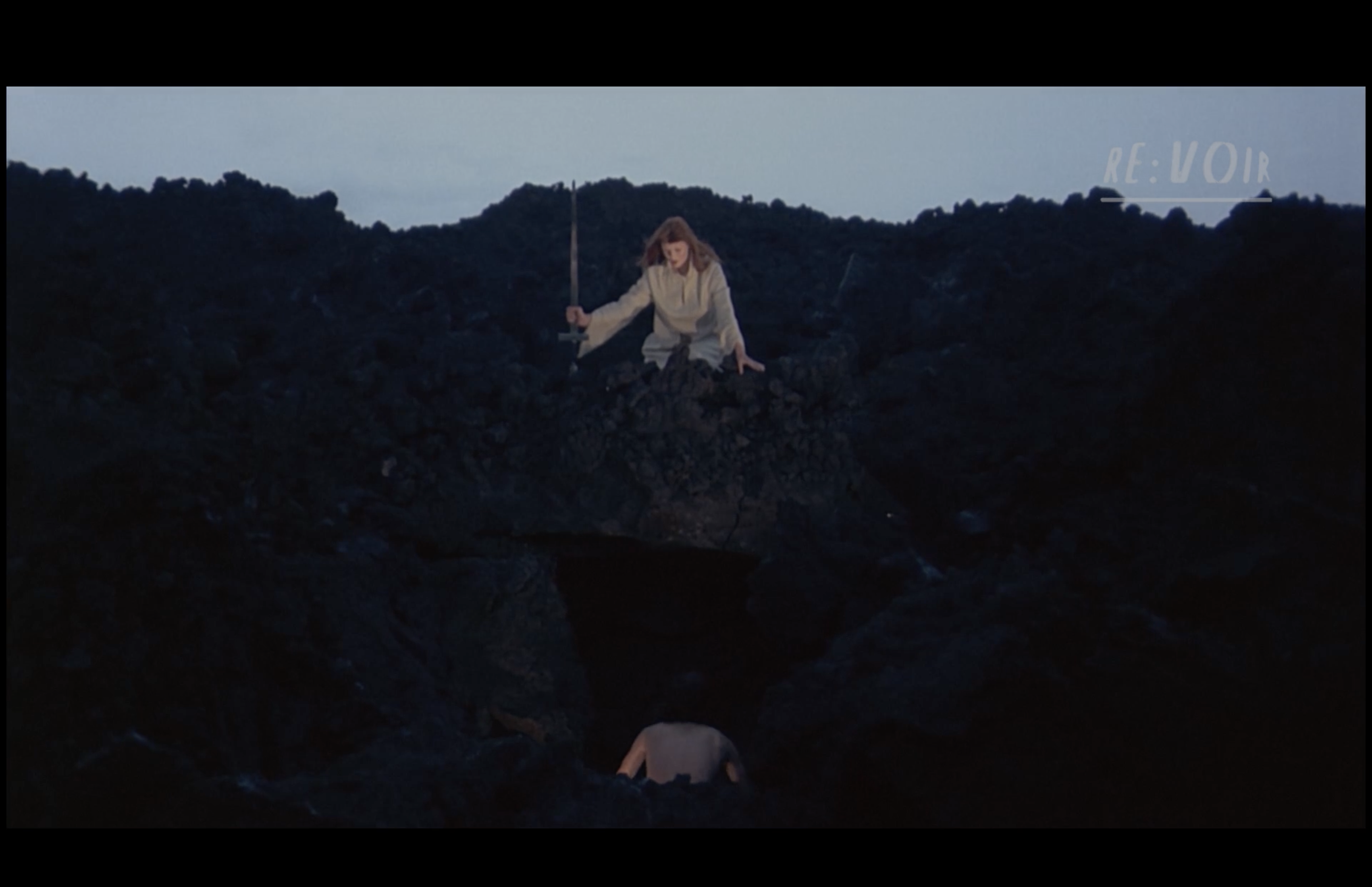
Despite their cryptic structure, the titles in the box set offer multiple avenues for interpretation, starting with the couple’s relationship, which, in La cicatrice intérieure, takes on mythic significance. The influence of painter Frédéric Pardo, along with his unique approach to imagery, is evident in the short Athanor and especially in Le berceau de cristal, which includes Pardo himself among the participants. Additionally, in Un ange passe, Nico’s figure clearly corresponds to the angel mentioned in the title, while in Le bleu des origines, she appears more earthbound.
Today, we should view these films collectively as a single continuous audiovisual piece that reflects a broader idea of cinema. This perspective suggests that filmmakers’ subjectivity doesn’t have to be limited to simple narratives or confined to domestic themes. Garrel, with Nico, illustrates that sharing personal experiences and human relationships is powerful material, which can be conveyed through modest production values, yet remain expressive and impactful.
Wild Innocence
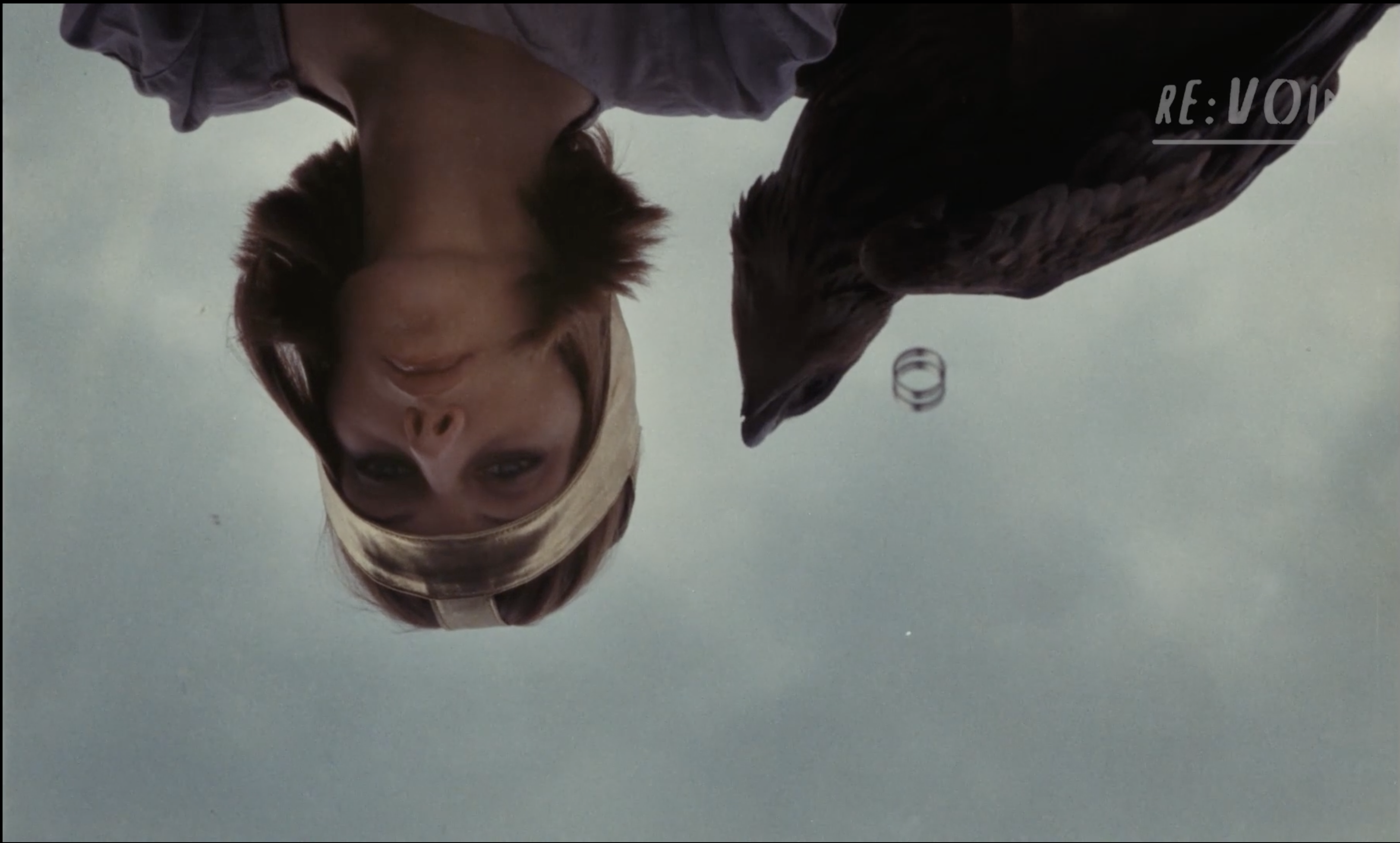
For contemporary audiences, these films by Garrel may offer an opportunity to engage in a different kind of experience, comparable to a “detox” from the incessant commodification of moving images to which we are increasingly exposed in our media-saturated daily environments. By referencing the title of a later work by the French filmmaker, one might describe the process as a recovery of a form of “wild innocence”—a term that encapsulates the potential benefit of watching films such as La cicatrice intérieure, Le berceau de cristal, or Athanor in today’s context.
In Garrel’s cinema featuring Nico, the indicators of innocence and wildness fundamentally shape the framework for sequences that we may interpret as Garrel’s own rêveries. By this term, I refer to spatiotemporal moments in which the onscreen content results from a surrender to daydreaming, representing a gray area between realism and the fantastic.
Within this “imaginary territory,” the focus on elements such as close-ups, physical forms, and the visual plasticity of shots—in essence, the foundational components of cinematic language, which may be considered to define its origins and innocence—coexists with openness to a disruptive force that challenges established order. This force appears in various forms and is ideally traceable to the wild. Certain figurative inventions bordering on the dreamlike, such as those in La cicatrice intérieure, or unsettling apparitions that inspire Nico’s reflections in Le berceau de cristal might be interpreted in this way. However, the argument can equally extend to the hieratic poses of Athanor or the editing style used in Un ange passe.
The discovery or rediscovery of these films today can contribute to reestablishing trust in vision as synonymous with the pursuit of aesthetic emotion, transcending both sentimentality and superficial shortcuts.
This is a revised version of an article originally written in Italian and published in Alias, the weekly magazine of Il manifesto.


Leave a Reply